Energy Revolution System Explained: How Do Coils, Magnets & Induction Fit Together?
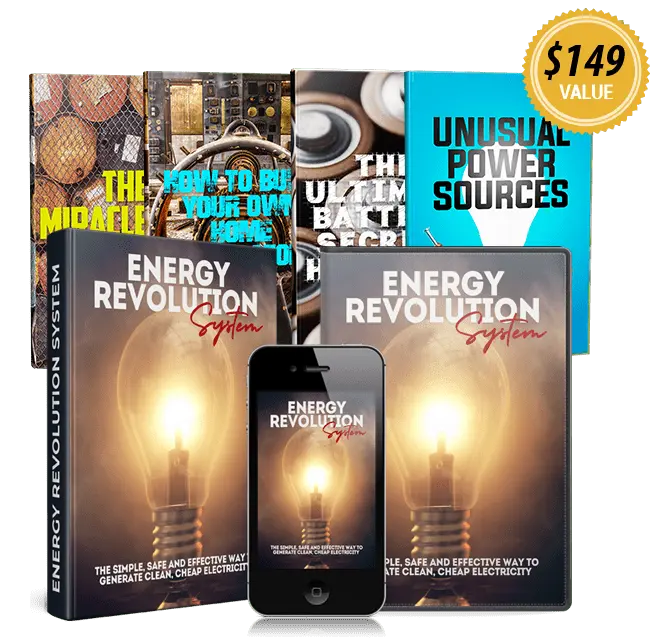
The Energy Revolution System is marketed around a DIY approach to generating or working with electricity using electromagnetic concepts.
But what is actually happening inside a system involving coils, magnets and electrical circuits?
To understand the concept properly, it helps to start with the basic science behind electromagnetic induction and then look at how those principles relate to the type of DIY project described by the guide.
What Is Electromagnetic Induction?
Electromagnetic induction is one of the fundamental principles behind many electrical generators and transformers.
In simple terms, when the magnetic environment around a conductor changes, an electrical voltage can be induced in that conductor.
This principle is associated with Michael Faraday's work in the 19th century and forms an important part of modern electrical engineering.
The idea sounds simple, but the actual electrical output depends on factors such as magnetic field strength, the rate of change of the magnetic field, the number of turns in a coil and the characteristics of the conductor.
Why Are Coils Important?
A coil is simply conductive wire arranged into multiple turns.
When a changing magnetic field passes through the coil, the changing magnetic flux can induce a voltage across the coil.
Increasing the number of turns can influence the induced voltage, although the complete behavior depends on the rest of the electrical and magnetic design.
More Turns
The number of turns in a coil affects the voltage that can be induced by a changing magnetic field.
Magnetic Field
The strength and behavior of the magnetic field influence the induction process.
Movement
Relative movement between the magnetic field and conductor can produce changing magnetic flux.
Electrical Load
The connected load affects how the electrical system behaves when current is drawn.
Where Do Magnets Come Into the Picture?
Magnets provide magnetic fields that can interact with coils and other conductive components.
In many generator designs, relative movement between magnets and coils causes the magnetic flux through the coils to change. That changing flux produces an induced voltage.
This is the basic principle behind many familiar electrical generators.
| Part | General Role |
|---|---|
| Magnet | Produces a magnetic field that can interact with the coil. |
| Coil | Conductive winding in which voltage can be induced. |
| Movement | Changes the magnetic flux through the coil. |
| Electrical circuit | Provides a path through which current can flow when a load is connected. |
| Load | Uses electrical energy supplied by the circuit. |
 See What the Digital Energy Guide Includes →
Does a Coil Create Energy by Itself?
No.
A coil is an electrical component. It does not create energy from nothing.
In an induction-based generator, an external source of energy is required to produce the changing magnetic field or relative motion that results in electrical generation.
This distinction is important when evaluating claims about any DIY electricity project.
A generator converts energy from one form into electrical energy. It does not eliminate the need for an energy input.
Then What Does a Generator Actually Do?
A conventional generator converts mechanical energy into electrical energy.
For example, an engine can provide mechanical rotation. That rotation can move magnets or magnetic fields relative to coils, producing electrical energy through electromagnetic induction.
Wind turbines and hydroelectric turbines use different natural energy sources to provide mechanical movement, but the electrical generation stage can still rely on electromagnetic induction.
| Energy Input | Intermediate Process | Electrical Output |
|---|---|---|
| Mechanical rotation | Magnets and coils interact through changing magnetic flux. | Electrical energy |
| Wind | Turbine converts wind movement into rotation. | Electrical energy |
| Moving water | Turbine converts water movement into rotation. | Electrical energy |
What Is a Bifilar Coil?
The Energy Revolution System material references a Tesla-inspired bifilar coil design.
A bifilar coil is a winding arrangement involving two lengths of wire wound together or arranged in a particular relationship.
Tesla's historical patent work included bifilar coil arrangements. Modern projects may use similar terminology when describing particular winding configurations.
However, the name "Tesla" or "bifilar" does not automatically mean that a modern device has unlimited or extraordinary energy output.
A recognized electrical design can be scientifically meaningful while the performance of a particular modern implementation still needs to be evaluated independently.
What Determines Electrical Output?
Several physical and electrical factors influence the amount of electricity a generator can produce.
Magnetic Strength
Stronger magnetic fields can influence the induced voltage, depending on the design.
Coil Design
Number of turns, conductor characteristics and winding geometry can affect electrical behavior.
Rate of Change
Faster changes in magnetic flux can influence the induced voltage.
Electrical Resistance
Resistance causes losses and affects how much useful current can be delivered.
Why Electrical Losses Matter
Real electrical systems are not perfectly efficient.
Energy can be lost through resistance in wires, heat, friction, magnetic losses, switching losses and other effects depending on the design.
This is why a theoretical calculation and the actual measured output of a physical device may not be identical.
 View the Energy Revolution System Project Guide →
Can the System Produce More Energy Than It Uses?
Claims of a device producing more usable energy than the total energy supplied to it should be treated carefully.
The conservation of energy means that a system cannot continuously produce net energy from nothing.
If a device appears to produce more energy than its apparent input, measurements should account for every relevant energy source and loss, including batteries, external power supplies, mechanical input and stored energy.
Electricity generated by a coil and magnet system must ultimately come from an energy source. A measurement of electrical output alone does not establish that a device is producing energy from nothing.
How Would You Evaluate a DIY Energy Device?
If you want to understand whether a physical project is performing as expected, measurements are more useful than promotional language alone.
- Identify every energy input.
- Measure electrical voltage under defined conditions.
- Measure current while a known load is connected.
- Calculate electrical power from measured voltage and current.
- Account for external batteries, motors, power supplies or mechanical inputs.
- Repeat measurements under controlled conditions.
| Measurement | Basic Relationship |
|---|---|
| Voltage | Electrical potential difference measured in volts. |
| Current | Electrical flow measured in amperes. |
| Power | For DC conditions, power can be calculated as P = V × I. |
| Energy | Power accumulated over time provides an energy measurement. |
Why the Load Matters
Measuring voltage without considering the connected load does not provide the complete picture of how useful a power source is.
A source may show a particular voltage when almost no current is being drawn, but behave differently when a real electrical load is connected.
For this reason, practical testing should consider both voltage and current under defined load conditions.
What Can the Energy Revolution System Guide Help You Understand?
The digital guide is designed to organize the proposed DIY project into instructions and supporting information.
For someone interested in experimenting with electrical and electromagnetic concepts, a structured guide can provide a starting point for learning about the project.
- Basic electromagnetic concepts
- Coil and winding arrangements
- Components associated with the project
- Construction considerations
- DIY energy experimentation
 Check the Current Guide, Bonuses & Offer →
What the Guide Does Not Replace
A digital guide should not be confused with professional engineering, electrical inspection or a certified household power installation.
If you are planning to connect electrical equipment to a home's existing electrical infrastructure, additional requirements may apply.
A DIY guide also cannot guarantee identical results for every builder. Component quality, construction accuracy and operating conditions can all influence the final result.
Is This Mainly an Educational Project?
One useful way to approach the project is as an opportunity to learn about electrical and electromagnetic concepts while following a structured DIY design.
Whether someone ultimately builds the project or simply studies the guide, the underlying concepts provide an introduction to topics that appear throughout electrical engineering.
 Check the Current Energy Revolution System Offer →
What Should You Know Before Building?
- Understand the energy input. Know where the system's operating energy comes from.
- Study the circuit first. Do not begin assembly without understanding the intended connections.
- Use suitable components. Component substitutions can change electrical behavior.
- Measure rather than assume. Actual output should be determined through appropriate measurements.
- Expect losses. Real electrical systems have resistance and other forms of loss.
- Prioritize safety. Electricity should always be handled with appropriate precautions.
Electrical Safety Is Essential
Coils, magnets, batteries and electrical circuits can create hazardous conditions when incorrectly assembled or operated.
Do not connect an experimental DIY device directly to a household electrical panel or utility grid without appropriate engineering, electrical protection, inspection and compliance with applicable requirements.
If you are not experienced with electrical construction or testing, consult a qualified professional before working on potentially hazardous circuits.
What About the Customer Testimonials?
Promotional material for the product includes customer experiences. Testimonials can show how individual buyers describe their experience, but they should not be treated as independent laboratory evidence of electrical performance.
Customer Experience

Customer Experience


Energy Revolution System: The Simple Explanation
At its most basic level, the concept can be understood through a familiar chain:
But producing useful electrical power involves much more than creating a voltage. The system must be able to supply current to a load while accounting for resistance, heat and other losses.
That is why understanding the science behind the project can be more useful than relying on a simple claim that magnets and coils "make electricity."
Final Takeaway
The Energy Revolution System concept is built around real electrical principles such as coils, magnetic fields and electromagnetic induction.
These principles are widely used in electrical engineering and conventional generators.
The important question for any particular DIY implementation is how those principles are applied and what the completed device actually produces when measured under defined conditions.
If you are interested in exploring the project, the digital guide can serve as a structured starting point. Just remember that the guide is not the same thing as a finished generator, and actual construction requires appropriate materials, testing and safety practices.
Explore the Energy Revolution System Guide →
Frequently Asked Questions
A changing magnetic field around a conductor can induce an electrical voltage. This principle is widely used in generators and transformers.
Magnets provide magnetic fields, but useful electrical generation requires an appropriate change in magnetic flux and an energy input.
A bifilar coil is a winding arrangement involving two wire conductors arranged together in a particular configuration.
No. A coil-based electrical system still requires an energy input, and real systems experience electrical and mechanical losses.
A specific output should not be assumed simply from purchasing the guide. Actual performance depends on the physical implementation and operating conditions.
It is presented as a digital instructional product rather than a completed physical generator.
This article may contain affiliate links. If you purchase through a qualifying link, we may receive a commission at no additional cost to you.
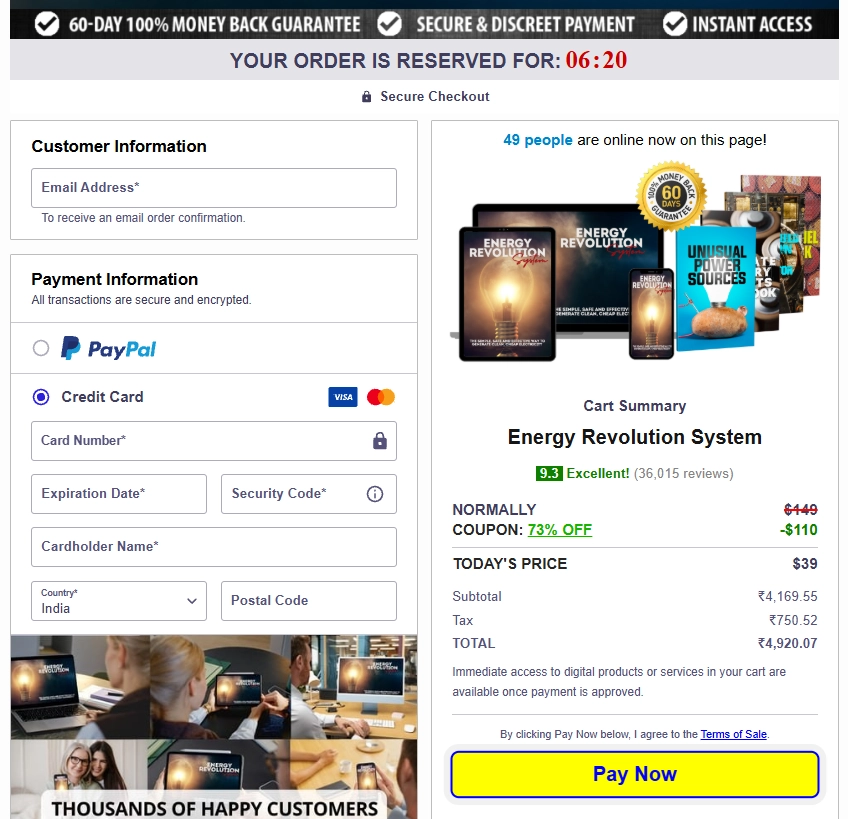
Product pricing, bonuses, availability, guarantee terms and package contents may change. Always verify the current information on the seller's page before purchasing.
This article is intended for informational and educational purposes. It is not professional electrical engineering or installation advice.