The Brain Song vs. Free YouTube Binaural Beats: Is It Worth the $39?
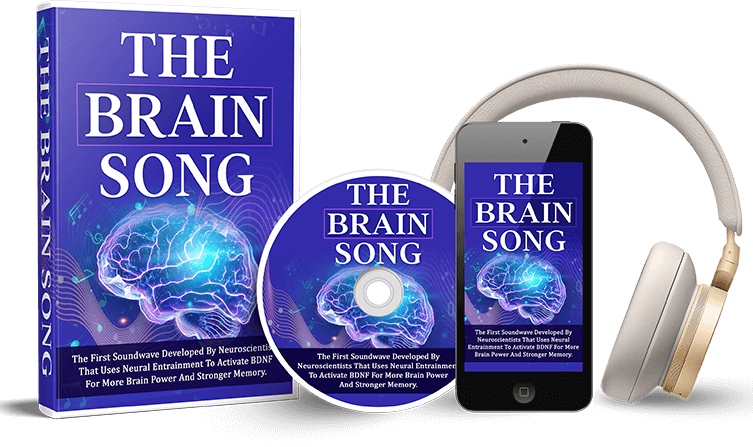
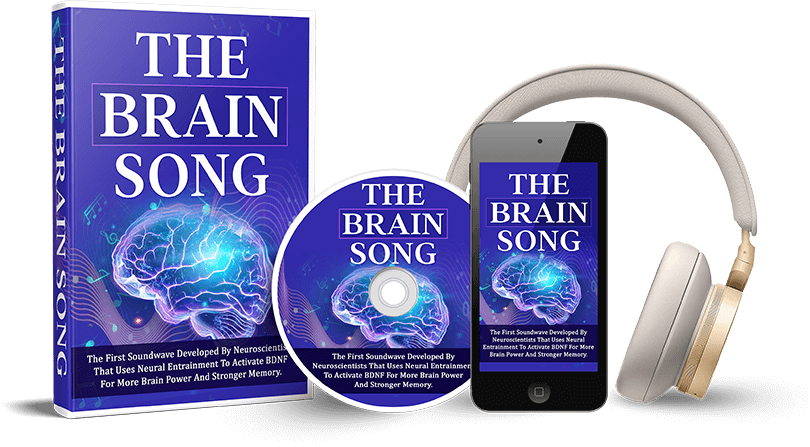
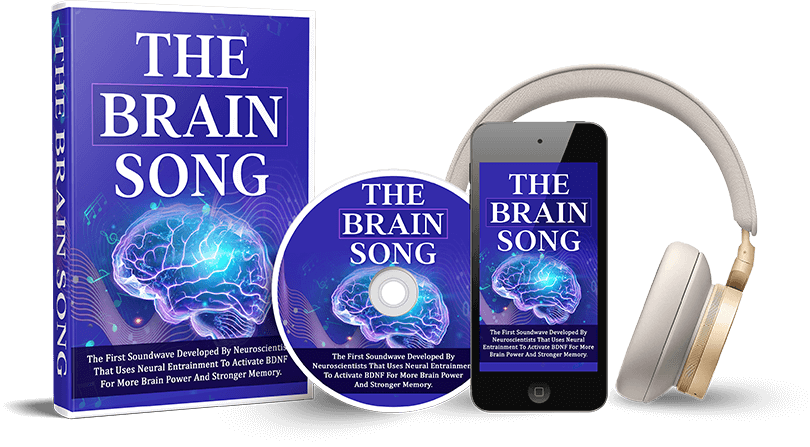
If you have explored natural ways to improve memory and eliminate brain fog, you already know that 40 Hz audio is one of the most widely discussed concepts in acoustic neurobiology. But as soon as you see the promotional pages for The Brain Song, an obvious question arises: why spend $39 on a proprietary track when you can search for free gamma brainwaves or pull up the best 40hz audio tracks on YouTube and Spotify with a single click?
Is there an actual acoustic difference between this paid program and free open-source content, or are you simply paying for marketing packaging? In this guide, we evaluate the brain song alternative options, compare the structural audio engineering of commercial versus public audio, and provide a clear framework on when investing in a dedicated track makes sense versus when free streams are more than enough.
At a Glance: The Brain Song vs. Free Audio Streams
Feature & Engineering Matrix
Comparison OverviewThe Core Difference: Free tracks provide bare-bones raw frequencies that work for basic background sound. In contrast, The Brain Song layers dynamic ambient masking, avoids compression artifacts, and eliminates jarring advertisements that break cognitive flow.
| Parameter | The Brain Song ($39 One-Time) | Free YouTube / Spotify Streams |
|---|---|---|
| Audio Quality | Uncompressed WAV / High-Bitrate MP3 (Full Dynamic Range) | Lossy compression (AAC/Opus) that often softens micro-frequency pulses |
| Interruptions | 100% Ad-Free (Local offline audio file) | Mid-roll video/audio ads that shatter auditory entrainment |
| Acoustic Design | Harmonic ambient masking to prevent listening fatigue | Often harsh sine-wave drones or repetitive 10-second loops |
| Session Length | Structured 17-minute habit-forming protocol | Ranges from 8-minute clips to endless 8-hour background streams |
| Offline Playback | Permanent local storage on any phone, tablet, or PC | Requires active data or paid YouTube Premium / Spotify subscriptions |
1. What Makes The Brain Song Structurally Different from Generic Noise?
Anyone can download free open-source software like Audacity, generate a 200 Hz tone in the left ear and a 240 Hz tone in the right ear, and create a raw 40 Hz binaural beat. However, raw acoustic entrainment creates substantial user friction that commercial audio engineering aims to resolve:

-
 Overcoming Listening Fatigue: Listening to bare sine waves or continuous buzzing is irritating to the sensory cortex after 5 to 10 minutes. The Brain Song embeds its frequency modulation within organic, multi-layered musical soundscapes, eliminating auditory friction so you can focus entirely on your work.
-
 Precision Pulse Modulation: Instead of relying strictly on crude binaural phase differences, it blends gentle isochronic pulses with harmonic overtone structures. This maintains the neural Frequency Following Response (FFR) without requiring excessive playback volume.
-
 The Structured 17-Minute Psychological Anchor: An endless 10-hour YouTube track encourages passive, distracted listening. A dedicated 17-minute track functions as an intentional cognitive transition—a bounded daily ritual that primes your mind for focused execution.
2. Compression, Bitrates, and Entrainment Fidelity
Why does audio file delivery matter for brainwave entrainment? There is a technical engineering reason why serious audio designers avoid streaming platforms for therapeutic sound:

When platforms like YouTube and free streaming apps compress audio files to save bandwidth, they utilize psychoacoustic compression algorithms. These algorithms strip out subtle harmonics, flatten phase relationships between stereo channels, and round off rapid pulse edges. While uncompressed audio files retain micro-oscillations, heavily compressed streaming media can dilute the precise stereo channel separation required for effective entrainment.
With The Brain Song, you download master-grade uncompressed audio files directly to your storage drive. This ensures bit-perfect playback through any wired or wireless stereo headphones without lossy compression compromises.
3. The Best Free Alternatives (And Their Real Limitations)
If you are on an extremely tight budget and cannot afford $39, there are respectable free alternatives to help you explore brainwave entrainment:
- YouTube 40 Hz Gamma Channels: Channels like Good Vibes Music and SleepTube offer long-form 40 Hz study soundscapes. The drawback: Random commercial pop-up ads can abruptly interrupt your flow state at high volume, and streaming requires constant network connectivity.
- Spotify Brainwave Playlists: Search for "40 Hz Gamma Focus" or "Isochronic Study Tones." The drawback: Free Spotify accounts insert audio advertisements between tracks and limit playback controls unless you subscribe to their monthly service.
- Tone Generator Mobile Apps: Free apps on iOS and Android let you generate pure dual-frequency tones. The drawback: They lack musical composition, making them tiring to listen to during extended work or study blocks.
4. When Paying $39 Makes Sense vs. When to Use Free Audio
Deciding between a structured commercial package and free open-source media comes down to how you value convenience, sound quality, and habit consistency:
Invest $39 in The Brain Song If:
- You want a clean, uncompressed, ad-free master audio file that works offline anywhere.
- You experience listening fatigue or headaches from harsh, unmasked sine wave frequencies.
- You need a structured, 17-minute daily focus routine with accompanying implementation guides.
- You want the peace of mind of a guaranteed 90-day money-back trial through ClickBank.
Stick to Free Audio Options If:
- $39 is outside your current discretionary spending budget.
- You already pay for ad-free YouTube Premium or Spotify Premium and don't mind lossy streaming compression.
- You prefer raw, unmasked drone frequencies without ambient music or melodic layers.
- You only plan to listen casually once or twice a month without building a structured habit.
What Verified Listeners Are Saying
Feedback from listeners who transitioned from free streaming playlists to a structured commercial routine:





Final Verdict: Is The Brain Song Worth the $39?
Free YouTube tracks are an accessible way to explore the basics of 40 Hz sound. But if you value an uninterrupted, beautifully produced audio environment that is gentle on the ears, completely free of ads, and packaged into an actionable 17-minute daily performance protocol, The Brain Song is well worth its modest $39 price point.
Because the purchase is backed by ClickBank's official 90-day money-back guarantee, you can test it risk-free alongside your favorite free playlists and experience the difference in sound fidelity and mental clarity firsthand.