Water Freedom System for Emergency Preparedness: 7 Smart Steps
Article 10 of 10 • Emergency water planning
Water Freedom System for Emergency Preparedness: 7 Smart Steps
Water Freedom System appeals to households worried about outages, broken water mains, drought restrictions, or interrupted deliveries. But buying a DIY guide is not the same as securing an emergency supply. A useful plan starts with water you can safely use immediately, then adds treatment, backup power, and supplemental sources that have earned their place through testing.
If you are considering an atmospheric water generator, the opportunity is worth understanding: suitable equipment can collect moisture from air without a conventional water inlet. The limitation is equally important: production still depends on equipment, electricity, atmospheric conditions, and safe handling.
Disclosure: This article includes affiliate links. A qualifying purchase may earn the publisher a commission. It is a planning guide based on supplied product descriptions and general preparedness principles—not a hands-on test of Water Freedom System.
Quick Verdict: A Possible Supplement, Not Your Entire Plan
Consider the guide for learning and planning, not as an immediate emergency-water replacement. The supplied material describes digital instructions; hardware, assembly, operation, and water-quality evaluation are separate responsibilities.
My preferred order is simple: establish a safe reserve, understand household demand, plan treatment and power, then evaluate whether an atmospheric system adds dependable value.
What Role Could Water Freedom System Play?
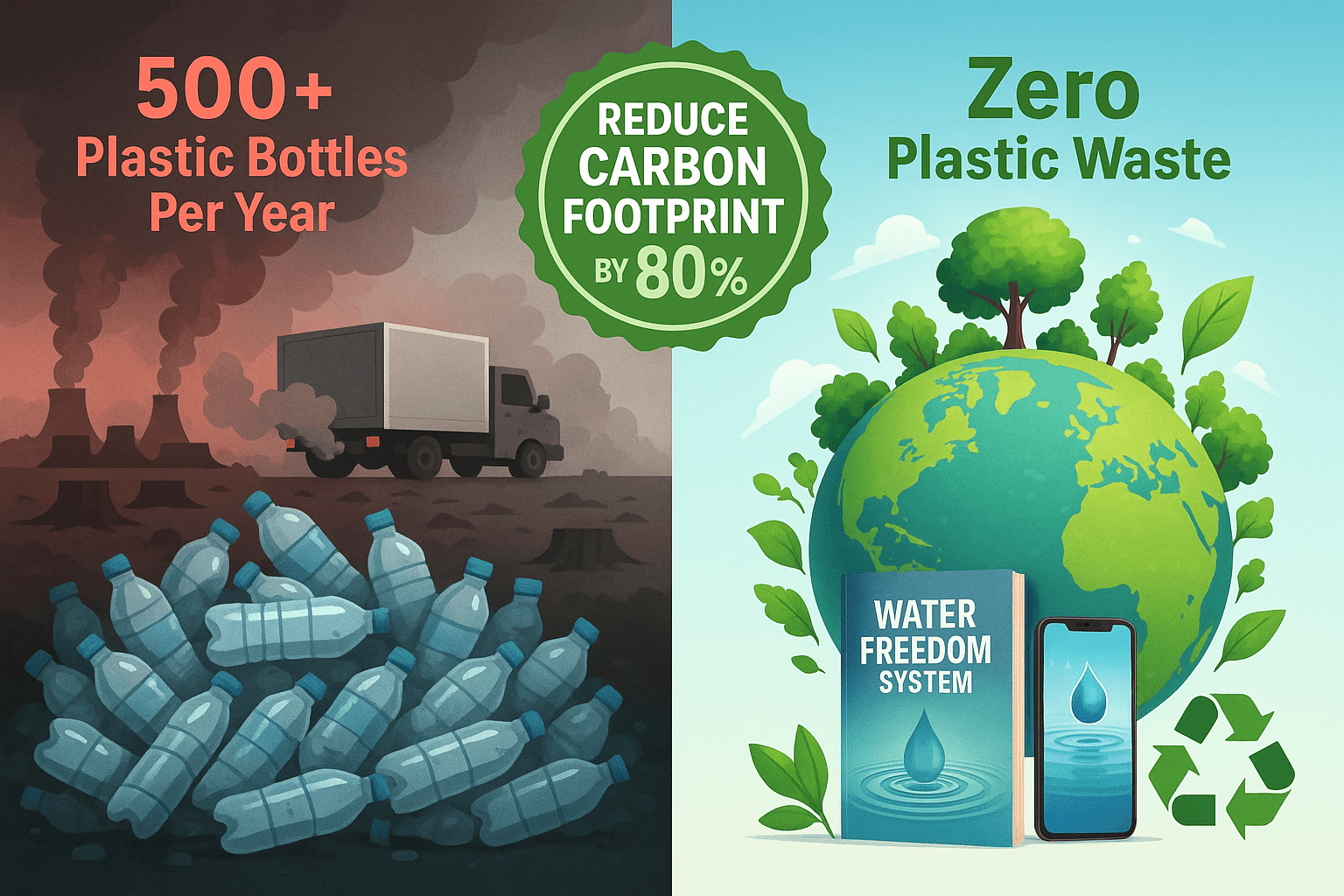
Water Freedom System is marketed as a digital guide for a DIY atmospheric water generation project. In a condensation-based design, air passes across a surface cooled below its dew point, moisture collects, and the resulting water moves through a collection and treatment pathway.
That process could provide supplemental water when suitable humidity and power are available. However, I have not inspected the purchased plans, built the proposed equipment, or verified its output. The real science does not establish the performance of this particular product.
Treat the purchase as two decisions: first, whether the instructions are worth their price; second, whether the proposed build fits your budget, skills, climate, and safety requirements. You should be able to stop after the first stage without feeling obliged to buy equipment.
Step 1: Calculate Your Household’s Emergency Water Needs
Start with people, not product claims. A commonly recommended emergency planning baseline is at least one gallon per person per day for drinking and basic sanitation. This is a minimum planning allowance, not a complete household-use estimate or a guarantee that everyone needs the same amount.
Hot weather, illness, pregnancy, physical activity, pets, and individual needs can increase requirements. Follow local emergency guidance and medical advice where relevant. Water needed for flushing, laundry, bathing, and gardening can greatly exceed a basic drinking reserve.
| Household | 3 days | 14 days |
|---|---|---|
| 1 person | 3 gallons | 14 gallons |
| 2 people | 6 gallons | 28 gallons |
| 4 people | 12 gallons | 56 gallons |
Begin with at least a three-day supply and work toward a longer reserve where practical. Add pets and special requirements separately. This calculation gives you a concrete target against which to evaluate any supplemental generator.
Step 2: Build a Safe Stored-Water Reserve First
Stored water works immediately. It does not require a compressor, favorable humidity, an internet connection, or completed assembly. For a household starting from nothing, I would prioritize a manageable reserve before spending on a water-generation project.
Use unopened commercially bottled water or suitable containers filled and maintained according to public-health guidance. Never reuse containers that held toxic substances. Store water away from heat, direct sunlight, fuels, pesticides, and other chemicals.
Date containers and follow appropriate rotation instructions. Guidance differs between commercially packaged water and containers filled at home. Inspect for leaks, damage, and contamination rather than assuming storage is maintenance-free.
Keep part of the supply accessible if another room becomes unsafe. Separate clearly labeled non-potable utility water from drinking water to prevent accidental use.
Step 3: Match the Backup Method to the Emergency
Not every disruption creates the same problem. A broken main can interrupt supply while electricity remains available. A storm may disable both. A chemical incident can require different precautions from a microbial boil-water advisory.
| Situation | Immediate priority | AWG limitation |
|---|---|---|
| Water-main outage | Use a safe reserve and follow utility updates. | Production must already be established and evaluated. |
| Power outage | Use stored water; assess backup-power capacity. | Active cooling and fans require electricity. |
| Flooding | Avoid contaminated supplies and damaged equipment. | Flood-exposed electrical and water components may be unsafe. |
| Smoke or chemical release | Follow public-health instructions and use a known-safe source. | Air intake and generic treatment may be unsuitable. |
| Extended drought | Conserve water and diversify dependable supplies. | Atmospheric conditions may also limit collection. |
An atmospheric system is not automatically isolated from environmental contamination. During wildfire smoke, chemical incidents, or severe flooding, do not assume that collecting water from air makes it safe.
Review the Guide as a Planning Resource, Not an Emergency Guarantee
Step 4: Evaluate Humidity and Backup Power Together
Atmospheric water production depends on temperature, humidity, dew point, airflow, and cooling capacity. A headline daily-output figure is not enough to establish whether a build will help during your most likely emergency.
Check seasonal conditions at the intended operating location. A successful summer trial does not establish winter reliability. Higher nighttime relative humidity also does not necessarily mean more atmospheric water is present; cooling air can raise that percentage without adding moisture.
Size Power From Measurements, Not Assumptions
Measure operating energy in kilowatt-hours and account for all loads, including fans, pumps, controls, and treatment equipment. Compressor startup can require more power than normal running operation. An inverter must support those demands.
For illustration, equipment averaging 400 watts for eight hours uses 3.2 kilowatt-hours before inverter losses or other inefficiencies. This is an arithmetic example, not a measured Water Freedom System specification. Battery nameplate capacity is not always fully usable.
Solar planning also requires realistic sunlight, shading, weather, charging losses, and nighttime demand. Decide whether limited backup energy should prioritize water production, refrigeration, communications, or essential medical equipment.
Step 5: Establish a Drinking-Water Safety Plan
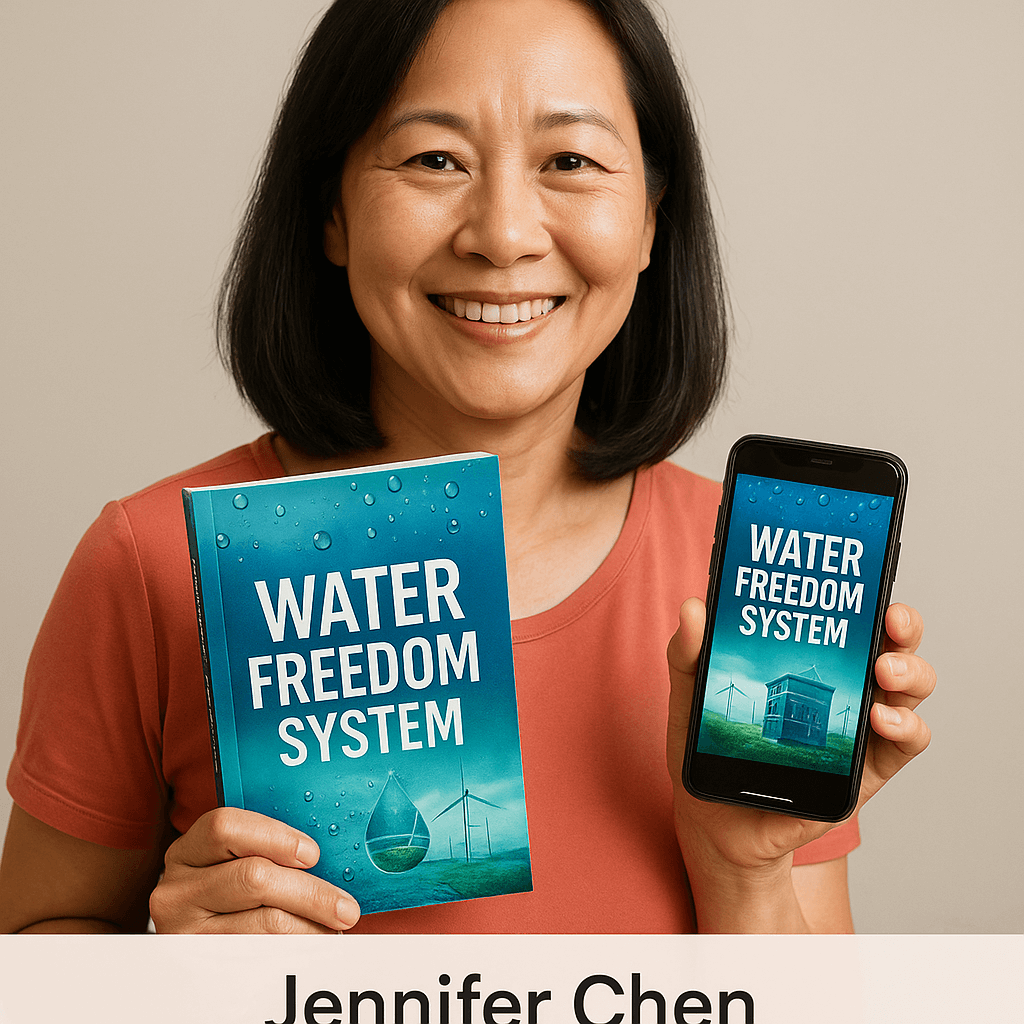
Collecting water and producing potable water are separate achievements. A DIY system can introduce contamination through coils, coatings, tubing, adhesives, filters, pumps, or storage. Repurposed dehumidifier parts are not automatically appropriate for drinking-water collection.
Ask a qualified water-quality professional to evaluate the materials, treatment approach, sanitation procedures, and relevant laboratory testing. Testing should reflect actual risks, not simply confirm that the water has a low dissolved-solids reading.
Understand Treatment Limits
Sediment filters capture certain particles. Activated carbon can reduce specified substances under appropriate conditions. Properly designed UV treatment can inactivate susceptible microorganisms, but it does not remove dissolved metals or most chemical contaminants.
A generic filter combination is not proof of safety. Follow documented maintenance and operating requirements, protect treated water from recontamination, and retain a known-safe alternative.
If water develops an unusual odor, visible residue, or another warning sign, stop consuming it and investigate. The absence of visible problems does not establish safety either.
Step 6: Budget for the Complete Preparedness Setup
Supplied promotional descriptions have cited roughly $37–$49 for the Water Freedom System guide. Those are unverified promotional references, not a current quote. Confirm the final checkout price, deliverables, support, and refund terms.
The complete project can include cooling equipment, fans, collection materials, storage, treatment, electrical protection, tools, laboratory work, and professional assistance. Backup power may be a separate, substantial purchase.
Immediate Preparedness Budget
Prioritize safe stored water, suitable containers, accessible handling equipment, and household-specific emergency needs.
Optional Project Budget
Add the guide, components, tools, power, treatment, maintenance, and testing only after establishing your basic reserve.
Keep ongoing costs visible. Replacement filters, cleaning, energy, repairs, and renewed testing can affect value. A refund on digital instructions should not be assumed to cover independently purchased equipment or professional services.
Confirm the Current Price and Inclusions Before Budgeting a Build
Step 7: Test Your Plan Before You Need It
An emergency is the wrong time to discover missing connectors, insufficient battery capacity, or unclear cleaning instructions. Evaluate equipment in advance while normal utilities and a safe alternative water source remain available.
Record temperature, humidity, operating hours, collected volume, energy use, maintenance, and relevant water-quality results. Repeat observations across realistic conditions rather than relying on one favorable day.
Run a Household Readiness Check
- Locate stored water without relying on normal lighting.
- Check whether each person can lift and dispense containers.
- Confirm that backup power supports the intended loads.
- Make cleaning instructions and emergency contacts accessible.
- Identify what happens if the generator or treatment stage fails.
- Review needs for children, pets, visitors, and limited mobility.
Do not disconnect essential equipment or compromise drinking-water safety for a practice exercise. A tabletop discussion can reveal many problems without creating new risks.
Keep essential instructions available offline. Digital access is useful during planning, but a downloaded manual or printed checklist may be more accessible during an internet or power interruption.
Where Water Freedom System May Add Value
The guide may interest someone who enjoys technical learning, already has a reserve, and wants to investigate an additional collection method. Its possible value is organizational: a useful set of instructions could help structure research and component planning.
However, that value depends on the actual content, which this article has not independently inspected. I would assess clarity, safety documentation, parts compatibility, and performance evidence before deciding whether to build.
If the guide helps you identify that the project is unsuitable, stopping may be a good outcome. Spending a small amount on information should not pressure you into a much larger equipment commitment.
Who Should Choose a Different Emergency Water Option?
Choose another starting point if you need water immediately, cannot maintain equipment, lack reliable power, or expect guaranteed production from a small DIY build. A guide cannot solve an active shortage by itself.
Stored water suits immediate backup. Targeted treatment may suit a dependable existing source. Permitted rainwater collection may be useful where rainfall and storage are adequate. A commercial AWG may offer integrated features, but it still needs performance and safety verification.
The strongest plan usually avoids dependence on a single device. Diversification matters more than choosing the product with the most dramatic claim.
Frequently Asked Questions
Can Water Freedom System operate during a power outage?
An active condensation system needs suitable electrical power. Continued operation would depend on correctly sized backup equipment, operating conditions, and available energy.
Does the purchase include an emergency water generator?
The supplied descriptions present digital instructions, not a completed machine. Confirm the exact deliverables on the current order page.
How much emergency water should I store?
A common baseline is at least one gallon per person per day for drinking and basic sanitation. Plan for at least three days and consider longer storage where practical, adding extra for individual needs, heat, and pets.
Can I rely on advertised daily gallon figures?
Not without relevant measurements. Ask for temperature, humidity, equipment specifications, runtime, energy use, and independently supported output data.
Will solar panels make the water free?
No. Solar hardware, batteries, installation, replacement, maintenance, and treatment remain costs. Capacity must match actual operation.
Is atmospheric water automatically safe during a disaster?
No. Air contamination, damaged equipment, unsuitable materials, treatment failure, and poor storage can affect quality. Follow public-health guidance and use a known-safe source.
Should I buy the guide before storing water?
For immediate preparedness, I would establish a safe reserve first. Consider the guide afterward if learning about a supplemental system fits your budget and circumstances.
Final Verdict: Build Resilience Before Chasing Independence
Water Freedom System may deserve consideration as an educational resource for a future supplemental project. It should not displace stored water, appropriate treatment, local emergency guidance, or realistic backup-power planning.
Make the decision around your household: how much water you need, what disruptions you face, what power you can maintain, and how safety will be verified. A modest, well-maintained reserve can be more useful than an ambitious system that has never been evaluated.
Your Emergency Water Readiness Checklist
- Calculate household and pet requirements.
- Establish accessible, safely stored drinking water.
- Understand local advisories and contamination risks.
- Document realistic humidity and equipment performance.
- Size backup power from actual electrical demands.
- Plan materials, treatment, sanitation, and testing.
- Keep maintenance records and offline instructions.
- Retain an alternative if equipment fails.
Public Resources for Your Emergency Plan
These public resources support general planning; they are not endorsements or certifications of Water Freedom System.