Infinite Wealth Prayer - My Guide to Guided Prayer Meditation for a Quiet Mind
Infinite Wealth Prayer - My Guide to Guided Prayer Meditation for a Quiet Mind
When my mind feels crowded with responsibilities, unfinished tasks, and worries about the future, I find it helpful to pause before trying to solve everything at once. Guided prayer meditation combines a period of quiet attention with personal prayer and reflection. It offers a simple way to make space for your thoughts, reconnect with your values, and approach the next part of the day more intentionally. It does not make life's challenges disappear, but it can give you a moment to slow down and decide how you want to respond.

What Is Guided Prayer Meditation?
Guided prayer meditation is a structured period of reflection in which spoken or written prompts help you focus your attention while praying. A session might invite you to sit comfortably, notice your breathing, reflect on a meaningful phrase, express gratitude, or bring a concern honestly into prayer.
The word "guided" simply means that you have some direction to follow. Instead of deciding what to think about from moment to moment, you can listen to a recording or read a short sequence of prompts. This can be useful if you are new to meditation or find it difficult to begin a quiet practice on your own.
For me, the value lies in the combination of stillness and intention. I can acknowledge what is troubling me without allowing every thought to dictate my next action. I can also make room for gratitude without pretending that difficult circumstances do not exist.
Why I Start With Relaxation Before Prayer
When I rush straight into a prayer while mentally rehearsing every problem, I may find myself distracted by the same thoughts again and again. Taking a short pause first gives me a chance to notice what is happening rather than immediately reacting to it.
Relaxation does not require forcing your mind to become completely blank. Thoughts may continue to appear. You might remember a bill, a conversation, or something you need to finish. The aim is not to eliminate every thought; it is to notice when your attention wanders and gently return to the practice.
A simple routine can begin with a comfortable seat, a few natural breaths, and one clear intention. You might choose patience, wisdom, gratitude, forgiveness, or courage. From there, prayer becomes a deliberate moment rather than another task you feel pressured to complete perfectly.

Breathing Before Prayer: A Simple, Comfortable Practice
Breathing before prayer can help establish a natural pause between a busy day and a period of reflection. You do not need a complicated technique, a special device, or a strict breathing count.
I recommend starting with the breath as it already is. Sit or stand comfortably, relax your shoulders if that feels natural, and notice the gentle movement of breathing. If you prefer, let your exhale be slightly slower without straining or holding your breath.
A gentle one-minute breathing routine
- Get comfortable. Sit with your feet supported or choose another relaxed position.
- Notice your breathing. Pay attention to the air moving in and out without trying to make each breath perfect.
- Release unnecessary tension. If comfortable, soften your jaw, hands, and shoulders.
- Let thoughts come and go. When your attention wanders, gently bring it back to the breath.
- Begin your prayer. When you feel ready, move into your chosen words or reflection.
Keep the practice gentle. Do not force deep breaths, hold your breath for long periods, or continue a technique that makes you dizzy, uncomfortable, or short of breath. Return to normal breathing whenever needed. You can also skip breath-focused exercises if they are uncomfortable for you.
An Original Guided Relaxation Prayer for a Busy Mind
The following guided relaxation prayer is written for moments when your thoughts feel scattered. Read it slowly, pausing between paragraphs if you wish. You can also ask someone you trust to read it aloud or record yourself reading it in a calm, natural voice.
A Prayer for Stillness, Clarity, and Hope
Dear God,
I am taking this moment to pause. I do not need to solve every problem at once, and I do not need to have every answer before I can begin.
As I sit here, help me notice the present moment. Let me become aware of my breathing without forcing it. Help me release the tension I can comfortably let go of and accept the thoughts that come without following every one of them.
I bring You the concerns I have been carrying: the decisions I need to make, the responsibilities that feel heavy, and the uncertainties I cannot yet resolve. Help me face them honestly without allowing fear to become the only voice I hear.
Give me wisdom to distinguish what I can influence from what I must approach with patience. Give me courage to act where action is needed and humility to seek help when I cannot manage something alone.
Remind me of the people, lessons, and opportunities for which I am grateful. Help me appreciate these things without denying the challenges in my life.
When my attention wanders, help me return gently to what matters. When I feel impatient, help me pause before reacting. When I feel discouraged, help me remember that one difficult moment does not tell the whole story of my life.
Guide my choices today. Help me speak thoughtfully, work honestly, care for my responsibilities, and treat myself and others with compassion.
I cannot control every outcome, but I can approach the next step with care. Let me leave this quiet moment with a clearer intention and a willingness to do what is reasonably within my power.
Thank You for this moment of reflection. May I carry its patience and purpose into the rest of my day.
Amen.
You can use this prayer in the morning, during a break, or before bed. If a line does not fit your beliefs, change it or leave it out. A personal prayer should reflect your own convictions rather than make you feel obligated to use someone else's exact words.
How to Keep Your Attention on Prayer When Thoughts Wander
A busy mind is not proof that you are bad at prayer or meditation. Attention naturally moves, especially when you have a great deal to manage. Instead of criticizing yourself, treat each return to the prayer as another opportunity to practise attention.
Choose one short phrase
You might repeat a phrase such as "Guide me with wisdom," "Help me act with patience," or "May I meet this day with courage." Choose words that feel sincere to you. Return to them when your attention moves elsewhere.
Use a simple physical anchor
Notice your feet resting on the floor or your hands resting comfortably in your lap. These ordinary sensations can give your attention something concrete to return to when you feel distracted.
Write down a persistent concern
If you keep remembering a task, make a brief note to deal with it later, provided doing so is practical. You do not have to solve the task during your prayer. Writing it down may help you return to the present moment without worrying about forgetting it.
Let the practice be imperfect
Some days will feel quiet, and others will feel restless. Rather than measuring success by how empty your mind becomes, ask whether you made time to pause and reflect. That is a more realistic way to build a routine.
Prayer Audio for Stress: Is Listening Easier Than Reading?
Some people prefer written prayers because they can move at their own pace. Others prefer spoken guidance because it provides a clear sequence to follow. Prayer audio for stress can offer a convenient format for someone who wants to sit quietly, listen, and reflect without reading from a screen.
An audio recording may include a spoken prayer, prompts for attention, moments of silence, or relaxation instructions. The style and content vary by product, so it is worth checking what a particular recording actually includes before deciding whether it suits you.
I would think of guided audio as a tool for supporting a personal routine, not as a cure for stress or a substitute for appropriate support. A recording cannot guarantee that anxiety will disappear, that financial difficulties will resolve, or that a particular outcome will occur.
If persistent stress is interfering with sleep, daily activities, or your ability to cope, consider talking with a qualified healthcare professional. You do not need to manage every difficulty through prayer alone.
Exploring Infinite Wealth Prayer as an Optional Audio Experience
If you prefer listening to a prepared prayer rather than creating your own routine, you may want to explore Infinite Wealth Prayer. It is promoted as a prayer-focused audio product for people interested in a structured listening experience.
I would evaluate it based on what you want from a guided recording: whether the format appeals to you, whether the content fits your beliefs, how access is provided, and whether the price is comfortable for your budget.
Despite the product's wealth-oriented name, it is important to keep expectations realistic. Prayer, relaxation, and any hypnosis-style elements do not guarantee wealth, income, debt relief, or financial success. Use the recording, if you choose to, as an optional spiritual or reflective resource rather than a promise of material results.
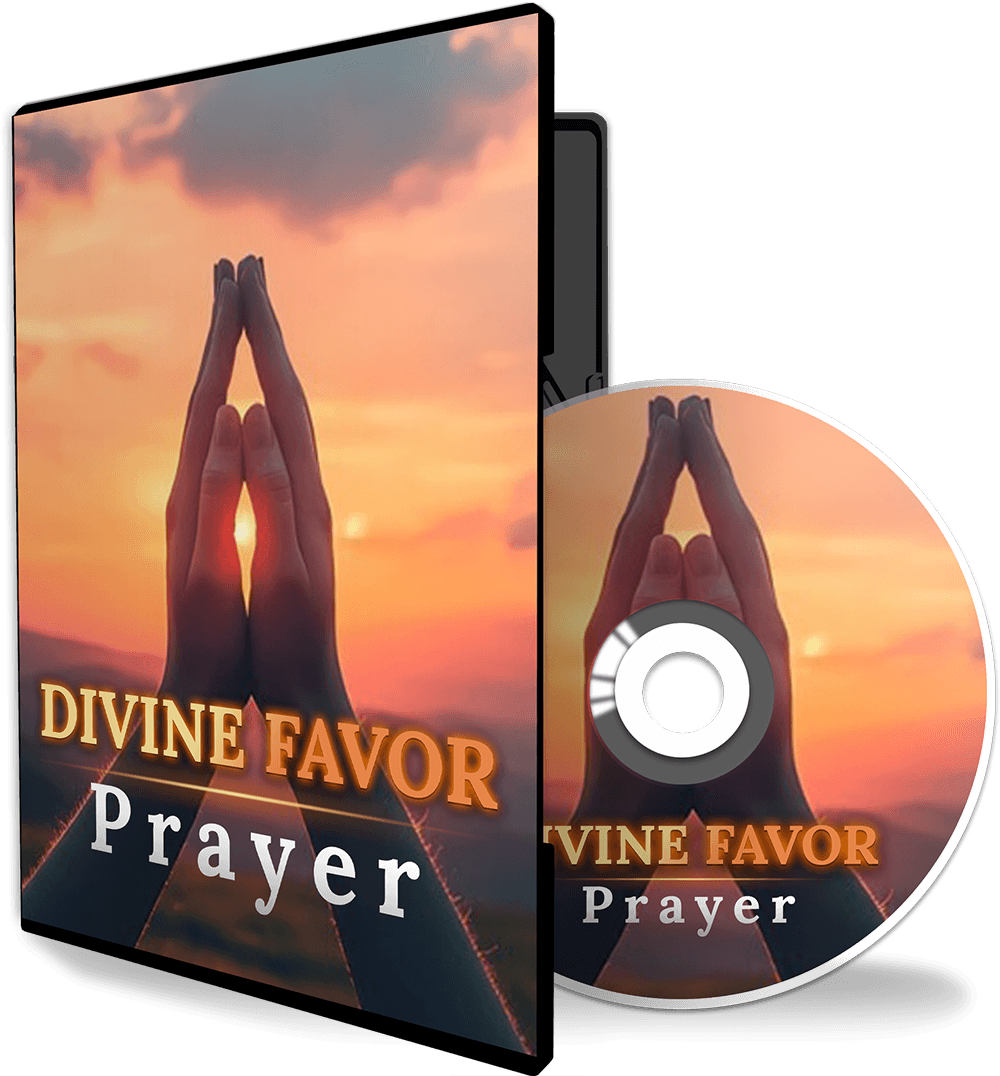
Before purchasing, review the current price, product contents, delivery method, and refund terms on the seller's checkout page. If a free written prayer already works for you, there is no need to spend money to continue your practice.
Guided Prayer Meditation vs. Self-Guided Prayer
Neither format is automatically better for everyone. The right choice depends on whether you prefer spoken prompts, quiet reading, or a flexible practice you can adapt from moment to moment.
| Format | What it offers | What to consider |
|---|---|---|
| Written prayer | Easy to pause, reread, and personalise. | You guide your own pace and attention. |
| Guided prayer audio | Spoken prompts provide a ready-made sequence. | Check the content, voice, length, and cost. |
| Quiet personal prayer | Flexible and entirely personal. | You choose the words and structure yourself. |
| Prayer with gentle breathing | Combines a pause with a simple attention anchor. | Keep breathing natural and comfortable. |
You can also combine these formats. For example, you might start with a minute of quiet breathing, read a short prayer, and then spend a few moments deciding what deserves your attention next.
A Five-Minute Routine for Prayer and Relaxation
If you are new to this practice, begin with a routine that is easy to repeat. Five minutes is simply a convenient example, not a required duration. You can shorten it whenever necessary.
- First minute: Settle. Find a comfortable position and notice your natural breathing.
- Second minute: Release tension. If it feels comfortable, relax your shoulders and hands without forcing your body to change.
- Third minute: Pray. Read or speak a few sincere lines about what you need, what you appreciate, or what guidance you are seeking.
- Fourth minute: Reflect. Notice the thought or intention that feels most important today.
- Fifth minute: Choose an action. Identify one reasonable next step, such as making a phone call, completing a task, or having a thoughtful conversation.
If you use guided prayer audio, select a recording that fits the time you have available. There is no need to rush through a longer recording or extend your practice simply to meet a target.
Reflection Questions to Ask After Your Prayer
Once you finish, you may find it helpful to ask yourself a few practical questions. You can write down the answers or simply think about them quietly.
What is occupying my mind most right now?
Identify the concern without judging yourself for having it.
What is within my control today?
Separate the actions you can take from outcomes you cannot guarantee.
What am I grateful for, even in a difficult season?
Choose something genuine rather than forcing yourself to feel positive.
What is one action that reflects my values?
Pick a small, practical step that supports your responsibilities or wellbeing.
These questions help connect reflection to ordinary life. They are not a formula for attracting money or controlling the future. They are a way to clarify your priorities and respond more intentionally.
Frequently Asked Questions About Guided Prayer Meditation
What is the best way to start guided prayer meditation?
Find a comfortable position, allow your breathing to remain natural, and begin with a short prayer or reflection. Use a written guide or audio recording if you prefer having prompts. Start with a manageable length and adapt the practice to your beliefs.
Should I practise breathing before prayer?
You can. A short pause to notice comfortable, natural breathing may help you transition into prayer. There is no special breathing technique you must master, and you should stop any exercise that causes discomfort.
Can guided relaxation prayer help when I feel stressed?
Some people find a structured period of prayer and reflection helpful as part of their routine. Individual experiences vary, and it should not be treated as a guaranteed treatment for stress or a substitute for professional support when needed.
Does prayer audio for stress have to be religious?
Prayer is generally connected to spiritual or religious beliefs, but audio products vary in style. Review the actual content to determine whether it matches your beliefs and preferences. You may also prefer nonreligious relaxation recordings.
Does hypnosis or guided prayer guarantee wealth?
No. Neither hypnosis-style audio nor prayer can guarantee money, employment, financial abundance, or any particular life outcome. Treat guided audio as an optional listening experience and make financial decisions based on reliable information and your circumstances.
Do I need to buy Infinite Wealth Prayer to practise?
No. You can use the original prayer in this article, create your own words, or use free resources. Infinite Wealth Prayer is an optional paid product for people who prefer its particular guided-audio format. Check the current price and terms before purchasing.
My Final Thoughts: Give Yourself a Moment to Pause
I do not believe a quiet mind requires a perfect day, a complicated routine, or the complete absence of worry. Sometimes the most useful thing I can do is pause, acknowledge what I am feeling, pray honestly, and decide what deserves my attention next.
Guided prayer meditation can offer a structure for that moment. Comfortable breathing, a few thoughtful words, and a short reflection are enough to begin. If spoken guidance makes the routine easier for you, a prayer audio recording may be worth exploring, provided it fits your needs and budget.
Infinite Wealth Prayer is one optional product to review if you prefer a prepared audio experience. Keep your expectations grounded: it cannot promise wealth or replace practical decisions. The important part is choosing a routine that reflects your beliefs and helps you approach everyday responsibilities with care.