Energy Revolution System Beginner's Guide: What to Expect Before You Build
Energy Revolution System Beginner's Guide: What to Expect Before You Build
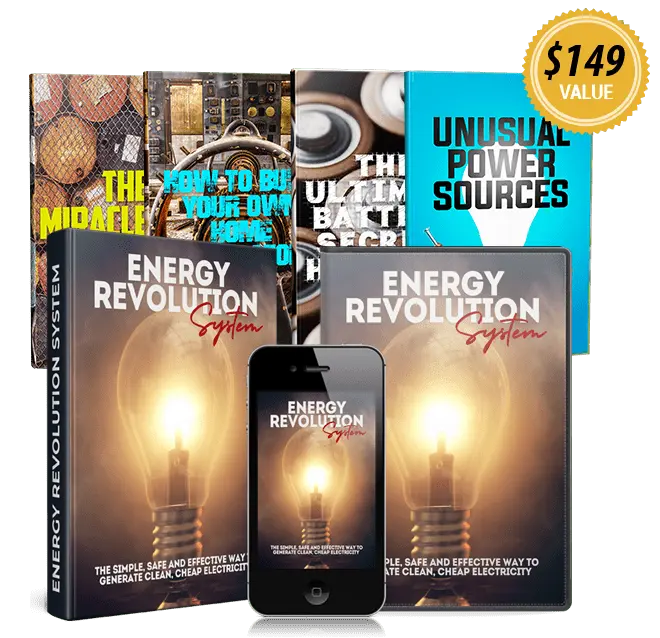
Thinking about trying the Energy Revolution System? Before buying components or starting a build, it helps to understand what the program is, what the learning process involves, what you may need, and what realistic expectations look like.
The Energy Revolution System is presented online as a DIY energy project and digital guide intended to help beginners explore a home-built electrical system using commonly available components.
Public product pages describe the program as providing digital instructions, diagrams and guidance rather than a conventional ready-to-install household generator. That distinction is important because the experience can involve sourcing components, following diagrams and testing the resulting setup.
Want to See the Energy Revolution System for Yourself?
Review the current program details, materials information and purchase terms before deciding whether this type of DIY project fits your goals.
Check the Energy Revolution SystemWhat Is the Energy Revolution System?
At its core, the Energy Revolution System is marketed as a step-by-step DIY energy project. Instead of purchasing a large preassembled power station, the user follows a digital guide and works with electrical components to create the proposed setup.
The product's public descriptions emphasize beginner-oriented instructions and commonly available materials. Some versions of the product website also describe the system as using electromagnetic principles and a bifilar pancake coil concept.
It is useful to separate two things: the educational/build guide and the actual electrical hardware. Buying a digital guide does not automatically mean that every physical component required for a completed project is included.
What You Should Understand Before Starting
1. It Is a DIY Project
You should expect some hands-on work rather than receiving a conventional plug-and-play generator.
2. Components Matter
Wire, coils, magnets, connectors and other electrical parts must be appropriate for the intended design and application.
3. Testing Is Important
Electrical projects should be tested progressively instead of immediately connecting an unverified build to valuable household equipment.
4. Results Can Vary
Actual output depends on construction, component quality, configuration, electrical losses and the intended load.
What Do You Receive?
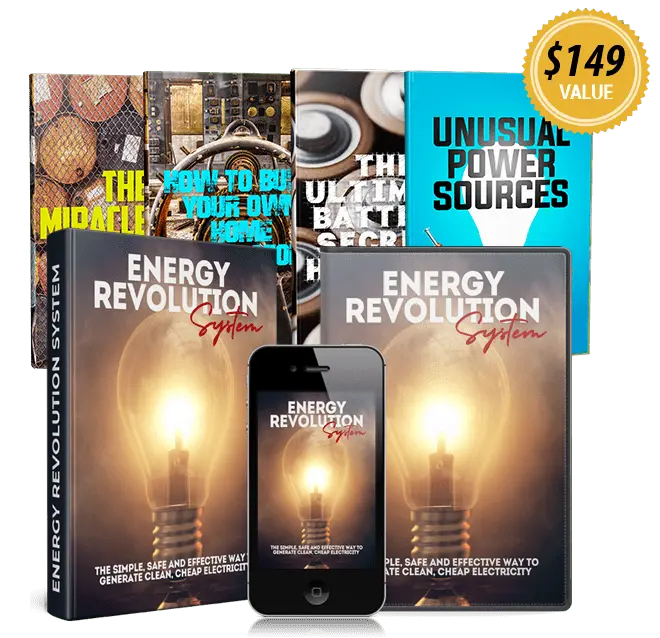
The public product information describes Energy Revolution System as a digital product. Depending on the current offer, the materials may include instructions, diagrams, parts information and other educational resources.
Before purchasing, always check the current sales page for the exact contents because digital offers, pricing and included bonuses can change.
| Item | What to Expect | Why It Matters |
|---|---|---|
| Digital guide | Instructions and project information | Provides the roadmap for the build |
| Diagrams | Visual guidance for connections and assembly | Helps reduce confusion during construction |
| Parts information | Guidance about required components | Helps you plan your shopping list |
| Physical components | May need to be sourced separately | Availability and specifications affect the build |
Ready to Review the Program?
Take a look at the current Energy Revolution System offer before deciding what components or tools you may need.
View Current Program DetailsWhat Components May Be Involved?
Product descriptions associated with the system mention components such as copper wire, magnets, coils and basic tools. The exact requirements depend on the particular configuration and instructions you follow.
| Component Category | Typical Purpose | What to Check |
|---|---|---|
| Copper wire | Electrical winding or connections | Gauge, insulation and current rating |
| Coil assembly | Electromagnetic interaction | Number of turns, winding pattern and insulation |
| Magnets | Magnetic field interaction | Type, size, strength and secure mounting |
| Connectors | Electrical connections | Current rating and insulation |
| Testing equipment | Measuring electrical characteristics | Correct range and safe measurement procedure |
Why Preparation Matters
One of the easiest ways to make a DIY electrical project frustrating is to begin assembly before understanding the parts, measurements and wiring sequence.
A better approach is to review the complete instructions first. Make a component checklist, verify dimensions and ratings, and understand the purpose of each major section before connecting anything.
Beginner Preparation Checklist
- Read the entire guide before beginning.
- Identify every required component.
- Check component specifications carefully.
- Prepare an organized workspace.
- Keep wiring diagrams accessible.
- Use suitable electrical measuring equipment.
- Test each stage before moving to the next.
- Keep exposed electrical connections insulated.
- Never assume an unfamiliar connection is safe.
- Ask a qualified electrician when household wiring is involved.
How the Learning Process Can Look
A sensible beginner workflow is to treat the project as a sequence of small stages rather than trying to complete everything at once.
Stage 1: Learn
Understand the diagrams, components and basic electrical principles before assembly.
Stage 2: Prepare
Gather compatible components and organize your workspace.
Stage 3: Assemble
Follow the instructions carefully and avoid improvising critical electrical connections.
Stage 4: Measure
Test electrical characteristics before connecting a significant load.
Explore Before You Build
If you enjoy hands-on projects and want to study the proposed design, you can review the current Energy Revolution System information first.
Explore Energy Revolution SystemEnergy Output: Keep Your Expectations Realistic
This is one of the most important points for anyone researching a DIY energy project.
Electromagnetic induction is a real electrical phenomenon, and coils, changing magnetic fields and related components are widely used in electrical engineering. However, a particular DIY arrangement does not automatically produce unlimited or “free” energy.
Any practical system has losses. Resistance, heat, magnetic losses, switching losses and conversion inefficiencies can all affect the amount of useful energy available at the output.
Can It Replace Your Entire Home Power Supply?
A beginner should not assume that a DIY project automatically replaces utility electricity or provides enough continuous power for every household appliance.
Start by identifying the actual electrical requirements of the equipment you want to operate. A phone charger, LED light and small electronic device have very different power requirements from a refrigerator, water heater, air conditioner or electric cooking appliance.
| Load Type | Typical Consideration | Beginner Approach |
|---|---|---|
| Small electronics | Usually lower power demand | Measure and test carefully |
| LED lighting | Generally modest electrical demand | Use as a controlled test load where appropriate |
| Fans | Demand varies considerably by model | Check rated wattage before testing |
| Refrigerators | Startup surge can be important | Do not assume a small setup can handle it |
| Air conditioners | Often substantial continuous and startup demand | Requires careful electrical engineering |
Safety Should Come Before Performance
Important Electrical Safety Notice
DIY electrical projects can create shock, fire, short-circuit and equipment-damage hazards when incorrectly assembled.
- Never work on energized wiring.
- Use appropriately rated components and insulation.
- Keep exposed conductors protected.
- Secure magnets and moving components properly.
- Do not bypass protective devices.
- Do not connect an experimental setup directly to household wiring.
- Use a qualified electrician for mains-voltage work.
- Follow applicable electrical codes and local regulations.
Who May Be Interested in This Type of Project?
DIY Enthusiasts
People who enjoy assembling projects and learning how electrical components interact.
Electrical Hobbyists
Beginners or hobbyists interested in coils, magnetic fields and practical electronics.
Alternative-Energy Learners
People exploring different approaches to home energy projects.
Curious Homeowners
Homeowners who want to understand the practical side of DIY energy systems before making a larger investment.
Who Should Think Carefully Before Buying?
This type of program may not be suitable for someone looking for an immediately operational, professionally installed whole-home power solution.
It is also worth reconsidering if you are uncomfortable working with electrical components, following technical diagrams or sourcing parts. In those cases, a professionally installed system may be a more appropriate category to investigate.
Still Curious About the Guide?
Review the current offer and read the available information before deciding whether the DIY approach matches your experience level.
See the Current Energy Revolution System OfferWhat About the Money-Back Guarantee?

The public Energy Revolution System sales information currently advertises a 60-day money-back guarantee. Before purchasing, review the current terms on the checkout or official sales page so you understand the applicable conditions and refund process.
A money-back guarantee can reduce the purchase risk associated with a digital guide, but it should not be interpreted as a guarantee that a particular physical build will deliver a specific amount of electricity or savings.
Questions to Ask Before You Start
| Question | Why Ask It? |
|---|---|
| What exactly is included? | Helps distinguish digital instructions from physical hardware. |
| Which components do I need? | Lets you estimate the real project cost. |
| What tools are required? | Prevents unexpected purchases after starting. |
| What output should I realistically expect? | Helps establish measurable expectations. |
| Can the setup safely power my intended load? | Prevents overloading and equipment damage. |
| What are the current refund terms? | Helps you understand the purchase conditions. |
Energy Revolution System: Quick Beginner Summary
| Category | Beginner Takeaway |
|---|---|
| Product type | Digital DIY energy/build guide |
| Skill level | Designed to be approachable, but electrical work still requires care |
| Physical parts | Check the current offer to determine what is included and what must be sourced |
| Technology | Product descriptions reference electromagnetic principles and coil-based designs |
| Performance | Actual results depend on components, construction and electrical load |
| Guarantee | Current public product information advertises a 60-day money-back guarantee |
Frequently Asked Questions
The product is presented primarily as a digital DIY guide rather than simply a conventional preassembled generator. Check the current offer for the exact materials and digital contents provided.
The program is marketed toward beginners and DIY enthusiasts, but basic electrical safety and careful instruction-following remain important.
Some physical components may need to be sourced separately. Always review the current parts list and purchase details before ordering.
There is no universal result that can be guaranteed. Electricity savings depend on the actual usable output, household consumption and how the system is operated.
Yes. Product descriptions reference electromagnetic induction and bifilar coil concepts. These are established electrical engineering concepts, although the performance of any particular implementation must be evaluated separately.
The current public product information advertises a 60-day money-back guarantee. Review the current terms before purchasing.
Want to Take the Next Step?
If you have reviewed the expectations, safety considerations and project requirements and want to learn more, visit the current Energy Revolution System page.
Check Energy Revolution System NowFinal Thoughts
The most useful way to approach the Energy Revolution System is as a DIY learning and building project, not as an automatic promise of unlimited household electricity.
Before starting, understand what the digital guide provides, determine which components and tools you will need, calculate your intended loads, and prioritize electrical safety.
If you enjoy hands-on projects and want to explore coil-based and electromagnetic concepts in a practical setting, the guide may be worth investigating. Just make your decision based on the actual current product contents, terms and your own project requirements.
Explore the Energy Revolution System
Review the current information, offer details and purchase terms before deciding whether this DIY energy project is right for you.
Visit the Energy Revolution SystemProduct details referenced in this article were checked against publicly available Energy Revolution System product pages.