The Brain Song Side Effects: Is Auditory Brainwave Entrainment Safe?

The Brain Song Side Effects: Is Auditory Brainwave Entrainment Safe?

Before introducing any new wellness technology into your daily routine, evaluating clinical safety, potential physical reactions, and contraindications is a responsible first step. When evaluating digital focus tools like The Brain Song, prospective users naturally ask: Are there documented the brain song side effects? What does clinical neurobiology say about general binaural beats safety, and can brainwave audio cause headaches if used daily?
Because auditory brainwave entrainment works directly with the central nervous system through acoustic pulses, understanding how your auditory cortex reacts to rhythmic sound is critical. In this safety investigation, we review the scientific consensus on daily frequency listening, analyze common mild symptoms like listening fatigue and volume-induced headaches, identify strict medical contraindications (such as sound-induced seizures and epilepsy), and outline best practices for protecting ear health.
Safety Profile at a Glance
Clinical Safety Overview
Non-Invasive SafetyThe Core Medical Consensus: For the overwhelming majority of healthy individuals, auditory brainwave entrainment is safe, non-invasive, and non-habit-forming. It introduces zero chemical compounds into the bloodstream, produces no digestive side effects, and leaves no metabolic residue. However, improper use (such as excessive volume or listening while driving) and specific neurological vulnerabilities (like seizure history) require careful precautions.
| Health Parameter | Clinical Reality | Safety Rating |
|---|---|---|
| Toxicity & Metabolic Burden | Zero chemical compounds; no liver or kidney filtration needed. | 100% Safe (Non-Pharmacological) |
| Addiction & Physical Dependency | Does not act on chemical dopamine pathways or create physical dependence. | Non-Addictive |
| Risk of Mild Headaches | Possible if volume exceeds safe levels or if dehydrated. | Low (User Preventable) |
| Epilepsy & Seizure Risk | Rhythmic sensory stimulation can theoretically trigger sensitive individuals. | Strict Contraindication |
| Long-Term Ear Health | Completely safe when played below 70 decibels (dB). | Safe with Moderate Volume |
1. Are Brainwave Frequencies Safe for Daily Listening?
To evaluate if The Brain Song is safe for consistent daily use, you must look at how the human auditory cortex processes sound patterns. Auditory entrainment is not an unnatural foreign signal; it relies on the brain's innate Frequency Following Response (FFR).
-
 Natural Electrophysiological Entrainment: Throughout the day, your brain naturally fluctuates across Delta, Theta, Alpha, Beta, and Gamma rhythms. Listening to audio calibrated to 40 Hz Gamma or 10 Hz Alpha simply provides a steady acoustic tempo that the brain's electrical rhythms naturally mirror.
 -
 No Chemical Tolerance or Receptor Burnout: Unlike pharmaceutical stimulants or high-dose nootropic stacks that down-regulate neurotransmitter receptors over time, your brain does not build a biochemical tolerance to acoustic rhythms.
 -
 Transient, Non-Permanent Shifts: Auditory entrainment does not lock your brain permanently into one frequency. When the 17-minute track concludes, your neural oscillations adapt naturally to whatever environment you enter next.

2. Common Mild Side Effects: Why Headaches and Fatigue Occur
While serious adverse reactions are exceptionally rare, some beginners report mild, transient physical sensations during their first few sessions. Understanding why these occur makes them easy to resolve:
Potential Mild Reactions
- Tension Headaches: Beginners occasionally experience a dull ache across the temples. This is almost always caused by listening at excessive volume or using tight, pinching headphones.
- Auditory Listening Fatigue: The brainstem works to process phase-separated frequencies. If you are sleep-deprived or dehydrated, 17 minutes of focused listening can feel temporarily taxing.
- Mild Spatial Disorientation: Standing up too rapidly after deeply relaxing with eyes closed can cause a momentary head rush.
Immediate Actionable Fixes
- Lower the Playback Volume: Reduce volume to 40%–50%. Entrainment relies on frequency timing, not sheer loudness.
- Hydrate Before Each Session: Electrical signal conduction in neural tissue requires proper electrolyte and water balance. Drink a tall glass of water before listening.
- Switch to Cushioned Over-Ear Cups: Replace stiff in-ear earbuds with comfortable over-ear headphones that don't compress the temporal bones.

3. Contraindications: Who Should NOT Use Auditory Entrainment?
Although The Brain Song is a safe consumer wellness tool for the general public, specific medical conditions require strict caution or complete avoidance:
| Medical Condition | Safety Status | Clinical Explanation |
|---|---|---|
| Epilepsy & Seizure Disorders | Strictly Contraindicated | Rhythmic sensory stimulation (auditory or visual) can synchronize neural firing in a manner that may lower the seizure threshold in susceptible individuals. Those with diagnosed epilepsy must consult their neurologist before using frequency-based audio. |
| Severe Auditory Processing Disorders (APD) | Consult Physician First | Individuals with neurological auditory processing issues may find binaural phase-difference decoding uncomfortable or overstimulating. |
| Active Tinnitus Flare-Ups | Use Caution | While ambient sound masking often helps tinnitus, certain high carrier tones can aggravate ringing in the ears if volume levels are set too high. |
| Driving & Operating Heavy Machinery | Strictly Prohibited | Because entrainment intentionally alters cortical arousal and promotes deep relaxation, listening while driving an automobile or operating hazardous equipment is unsafe. |
4. Best Practices for Ear Health and Decibel Limits
Protecting your hearing while enjoying auditory wellness audio comes down to managing sound pressure levels and session length:
- Stay Below the 70 dB Safety Ceiling: According to audiologists and hearing health standards, audio exposure at or below 70 decibels (dB) poses no risk of noise-induced hearing damage over time. A good rule of thumb is setting your device volume between 40% and 55%. If you cannot hear someone speaking to you from three feet away, your volume is too high.
- Respect the 17-Minute Window: Do not loop the track continuously for 3 or 4 hours. The program is specifically structured as a focused 17-minute cognitive primer. Longer sessions offer diminishing returns and increase the likelihood of auditory fatigue.
- Clean Headphone Pads Regularly: Over-ear and in-ear equipment collects skin oils and dust. Keeping ear cushions clean prevents skin irritation and external ear canal infections.
Real Customer Feedback: What Users Experience
Experiences from users regarding comfort, safety, and daily routine adaptation:

"Smooth transition once I dialed in the volume."
"During my very first listen, I turned the volume up to 80% and felt a slight pressure behind my eyes after 10 minutes. I lowered it to 45% the next morning as recommended in the guide, and the experience was completely different—calming, clear, and completely headache-free."
— User Community Feedback




Pricing, Delivery & Risk-Free Protection
Testing The Brain Song carries zero long-term financial obligation:
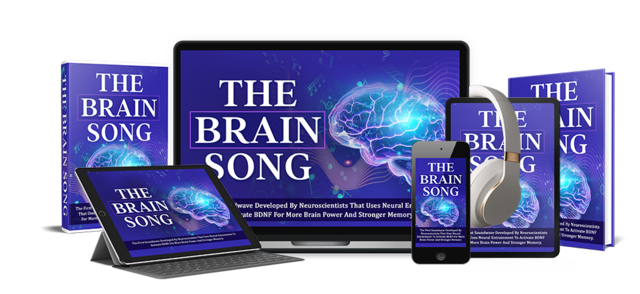
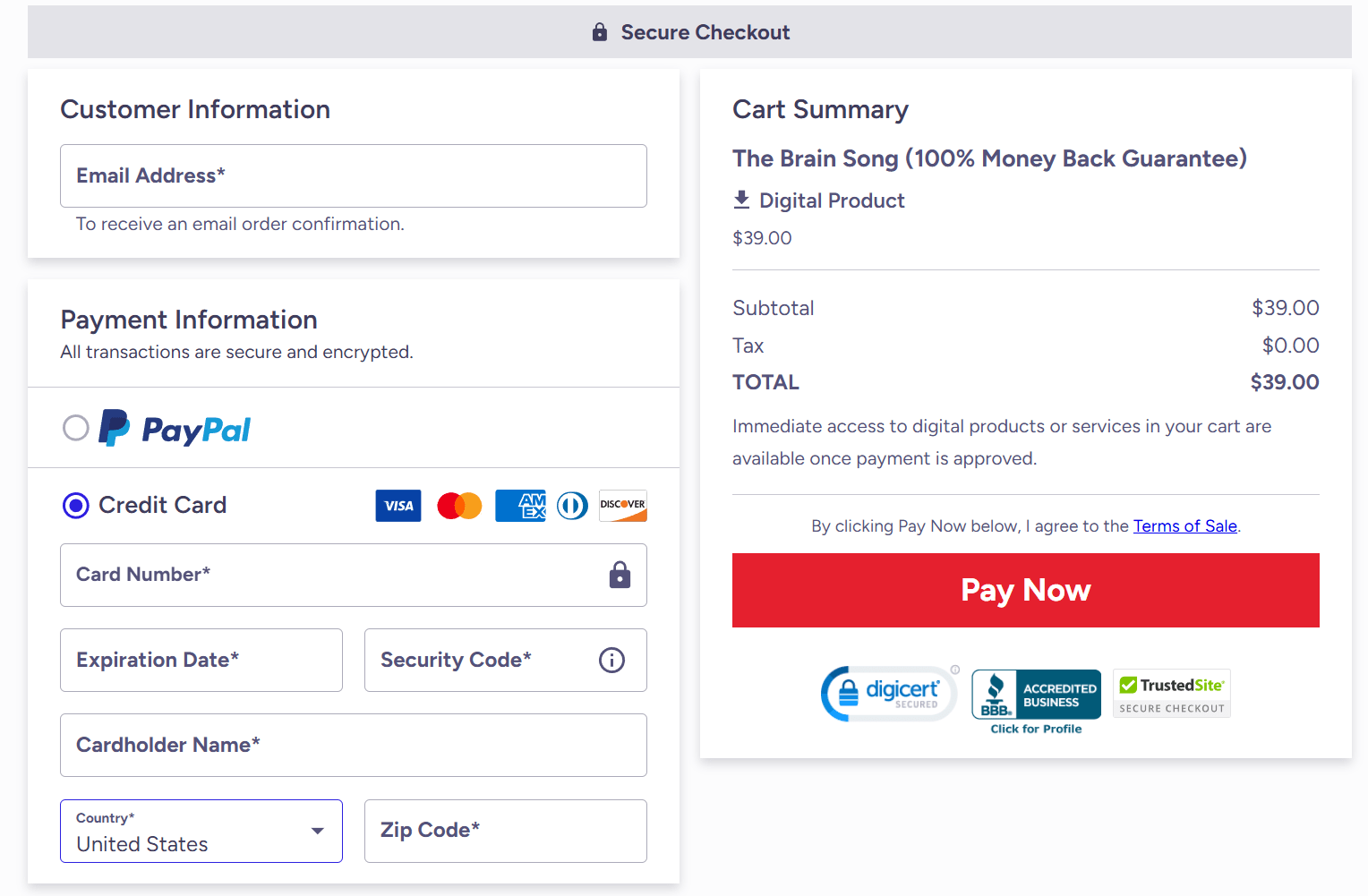
- Affordable One-Time Fee: Only $39 today (no recurring monthly subscriptions or hidden fees).
- Instant Digital Access: Download uncompressed audio files directly to your phone, tablet, or PC for immediate offline listening.
- ClickBank 90-Day Money-Back Guarantee: You receive a full 90-day window to evaluate how your nervous system responds. If you experience any ongoing discomfort or simply don't feel a focus boost, you can request a 100% refund through ClickBank.

The Final Verdict: Safe, Non-Invasive Mental Clarity
When evaluated objectively against pharmaceutical stimulants, energy drinks, and unverified nootropics, The Brain Song stands out as a safe, gentle, and non-pharmacological way to sharpen focus and clear brain fog.
As long as you maintain comfortable volume levels below 70 dB, use comfortable stereo headphones, and observe standard medical contraindications (such as avoiding use if you have epilepsy), the program provides a low-risk, natural focus anchor for your daily mental routine.