Is The Brain Song a Scam? Exposing ClickBank Hype vs. Science (2026)

Is The Brain Song a Scam? Exposing the ClickBank Hype vs. Actual Science
If you have encountered the promotional video sales letters (VSLs) circulating online, you have likely asked yourself: is The Brain Song legit, or is it another digital audio scheme dressed in neurobiology jargon? With headlines promising that a daily audio routine activates Brain-Derived Neurotrophic Factor (BDNF) and protects your brain against shrinkage, searching for the brain song scam or looking up the brain song complaints is a sensible precaution before sharing your payment information.
In this investigation, we cut through the affiliate marketing hyperbole. We examine why online users suspect foul play, deconstruct the institutional claims involving Harvard and NASA, address frequent user complaints, and evaluate the financial protections provided by ClickBank's 90-day money-back guarantee.
The Verdict at a Glance: Scam or Genuine Wellness Audio?
Investigation Summary
Verdict: Legitimate Audio, Exaggerated CopyThe Reality: The Brain Song is not an outright financial scam. When you purchase, you receive legitimate, high-fidelity audio files, and your transaction is processed through ClickBank, which enforces an authentic 90-day refund window. However, the promotional marketing severely stretches clinical research from institutions like Harvard and Oxford to make passive audio sound like a medical alternative to clinical therapies. It is an overhyped wellness product, but a low-risk financial purchase.
Legitimate Factors
- Instant digital delivery of audio assets upon checkout.
- Real underlying science: auditory entrainment influences brain rhythms.
- Handled by ClickBank, preventing unauthorized recurring credit card fees.
- Fully functional 90-day return policy.
Red Flags & Hype
- Aggressive VSL funnels utilizing manufactured urgency timers.
- Unverified claims of an "immediate 30% surge in BDNF".
- Misleading references linking laboratory research to this specific consumer track.
- Inconsistent program lengths cited across older and newer promo pages (12 vs. 17 min).
1. Why Users Suspect It Is a Scam: Aggressive VSL Funnels
Skepticism surrounding The Brain Song rarely stems from the audio tracks themselves; it is almost entirely triggered by the direct-response video sales letters (VSLs) used to promote them. These funnels follow an affiliate sales template that naturally sets off alarm bells:
-
 Manufactured Scarcity & Price Countdowns: Pages flashing warnings like "Price increases tomorrow" or claiming that "digital copies are running out" create artificial urgency. Digital downloads do not face inventory shortages.
 -
 Unpausable, Lengthy Video Stories: Consumers are required to watch long, dramatic stories before buy buttons reveal themselves, preventing readers from quickly scanning pricing and refund conditions.
 -
 Discrepancies in Track Duration: Older sales pages referred to a 12-minute session, while recent campaigns describe a 17-minute soundtrack or a "10-second mental trick." Such inconsistencies arise when marketing teams test different funnels for maximum conversions.

2. Deconstructing the "Harvard & NASA" Marketing Claims
The strongest critique raised by skeptics concerns the brand's use of academic credentials. The sales copy highlights "Harvard BDNF research," "Oxford neuroscience studies," and "NASA cognitive entrainment experiments." Let's separate the genuine science from promotional rhetoric:
| Marketing Claim | The Actual Scientific Basis | Editorial Verdict |
|---|---|---|
| "Backed by Harvard BDNF Research" | Harvard researchers have studied BDNF for decades, showing it supports neuroplasticity, memory retention, and neuronal survival. | Borrowed Authority: Harvard evaluated general BDNF biology—not The Brain Song audio track specifically. |
| "Oxford Studies Confirm a 30% BDNF Boost in One Session" | Sensory stimulation can induce temporary electrophysiological synchronization, but there are no clinical trials showing a single 17-minute audio file elevates human BDNF by 30%. | Grossly Exaggerated: Aerobic exercise and deep sleep remain the primary, clinically validated drivers of endogenous BDNF. |
| "NASA Cognitive Research on Gamma Waves" | Aerospace researchers have studied biofeedback and entrainment to help pilots maintain calm focus during high-stress simulations. | Context Shift: NASA used specialized visual/auditory equipment, not a standard consumer MP3 file. |

The Core Takeaway: Auditory steady-state response (ASSR) and gamma-wave entrainment are real, peer-reviewed areas of study. However, the creators of The Brain Song have taken legitimate academic research from university laboratories and used it to validate their consumer entertainment product. It is a relaxing, focus-inducing audio tool, not an FDA-approved clinical cognitive therapy.
3. Legitimacy of ClickBank's 90-Day Money-Back Guarantee
The primary concern for cautious buyers is financial safety: If I buy this and dislike it, will I lose my money?
Fortunately, The Brain Song is sold via ClickBank (Click Sales Inc.), an established e-commerce platform that has operated for over two decades. This provides critical consumer protections that distinguish it from unlicensed online scams:

- Guaranteed Refund Enforcement: ClickBank manages the payment gateway. If a vendor refuses to reply, ClickBank can issue your refund directly through their self-service order lookup portal (clkbank.com).
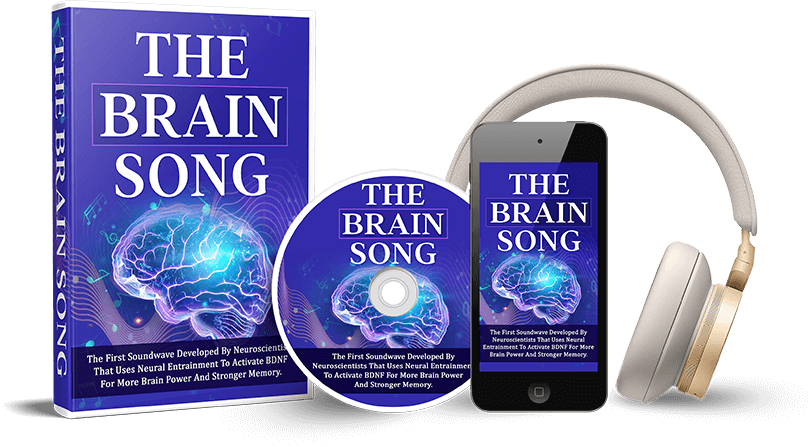
- No Hidden Subscriptions: The purchase price is a strict one-time fee of $39. You are not enrolled in recurring weekly or monthly rebilling subscriptions.
- Payment Protection: Your financial details are handled with standard encryption and are not stored by the product's creators.
4. Real Customer Complaints & Common Pitfalls
When analyzing feedback, customer critiques generally center around three distinct issues:

"The audio works for deep work, but the sales video was frustrating."
"I nearly clicked off because of the dramatic sales video. But I decided to test the track while drafting quarterly reviews. It helped me stay focused, but the company should let the audio speak for itself without overpromising."
— Community Feedback




The Primary Complaints Breakdown:
- Upsell Friction: After approving the $39 purchase, customers are guided through several optional upsell offers (additional frequency tracks, guides, and companion sounds). While optional, clicking through them can feel tedious.
- Hardware Misunderstandings: A few buyers tried listening through laptop or phone speakers and reported no benefit. Frequency entrainment requires distinct stereo channel separation via stereo earbuds or headphones to work properly.
- Unrealistic Expectations: Customers dealing with severe memory loss who expected a quick fix were disappointed. The program serves as a focus-priming habit, not a clinical treatment for cognitive decline.
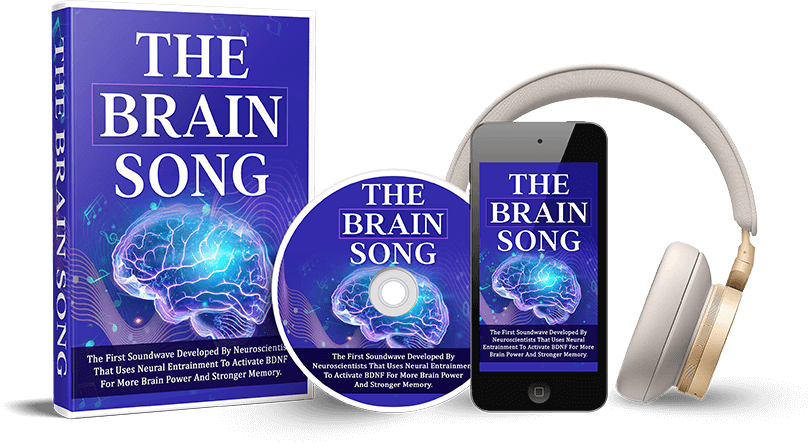
Pricing, Plans & Cost Transparency
The economics of The Brain Song remain accessible compared to ongoing wellness costs:
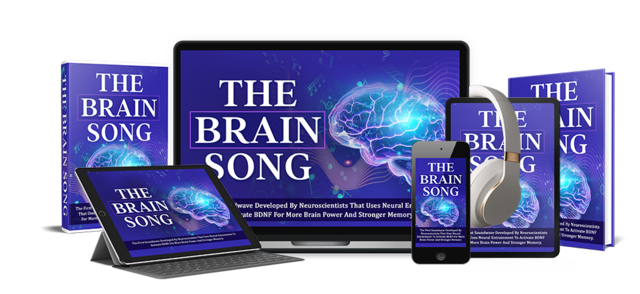
- One-Time Investment: $39 today for lifetime access.
- Zero Recurring Charges: No monthly memberships or renewal fees.
- Format: High-bitrate digital downloads (MP3/WAV), usable across iOS, Android, and PC.
Final Verdict: Overhyped, But Low Financial Risk
Answering the core question: Is The Brain Song a scam?
No. It is a legitimate, well-produced digital brainwave entrainment program delivered through an authorized payment processor with a working 90-day money-back guarantee. The "scam" accusations arise primarily from aggressive affiliate copywriting and borrowed institutional authority from Harvard and NASA.
If you approach The Brain Song with realistic expectations—treating it as a pleasant, 17-minute acoustic focus routine rather than a miraculous cognitive cure—it delivers solid value for $39, completely free of chemical side effects.