Binaural Beats vs. Isochronic Tones: How Auditory Brainwave Entrainment Works

Binaural Beats vs. Isochronic Tones: How Auditory Brainwave Entrainment Works

The concept of hacking human focus with sound has grown from a fringe biohacking interest into an extensively researched area of neurobiology. Whether you are consulting a comprehensive binaural beats guide, trying to understand how brainwave entrainment works, or investigating modern gamma wave entrainment science, it is easy to feel overwhelmed by technical jargon like "Auditory Steady-State Responses," "isochronic pulses," and "frequency following responses."
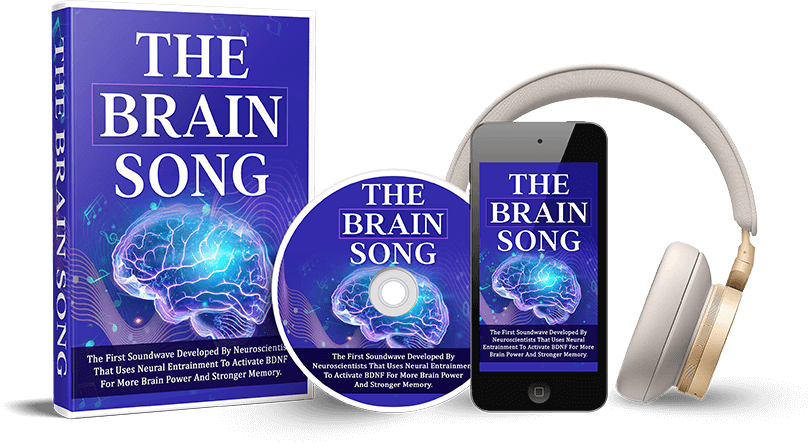
Commercial consumer programs like The Brain Song apply these neuroacoustic principles to guide daily cognitive focus. In this pillar guide, we unpack the mechanisms behind auditory brainwave entrainment, compare the differences between binaural beats and isochronic tones, break down the functional roles of Alpha, Beta, Theta, and Gamma states, and share practical guidelines for setting up high-yield audio focus sessions.
At a Glance: How Sound Directs Brain Electricity
Neuroacoustic Fundamentals
ASSR & FFR OverviewThe Core Principle: Your brain is governed by rhythmic electro-chemical communication. When presented with rhythmic acoustic patterns, neural populations in the auditory cortex synchronize their electrical firing to match the rhythm of the sound—a biological phenomenon called the Frequency Following Response (FFR).
| Parameter | Binaural Beats | Isochronic Tones | Hybrid Engineering (e.g., The Brain Song) |
|---|---|---|---|
| Acoustic Mechanism | Two distinct continuous frequencies played separately into each ear | Distinct, evenly spaced on-off pulses of a single tone | Layered isochronic pulses masked with harmonic ambient musical soundscapes |
| Processing Center | Superior olivary complex in the brainstem calculates the difference | Auditory cortex directly detects volume and amplitude modulation | Multi-sensory cortical binding combining tone recognition and ambient relaxation |
| Headphone Requirement | Mandatory: Requires strict stereo channel separation | Optional: Effective through both speakers and headphones | Recommended: Stereo separation yields optimal depth and spatial immersion |
| Entrainment Strength | Subtle, gentle cortical response; excellent for meditation | Sharp, powerful cortical response; excellent for active focus | Balanced: deep focus entrainment without abrasive mechanical fatigue |
1. The Frequency Following Response (FFR) Explained
To understand how brainwave entrainment works, you must understand biological synchronization. In physics, if you place two pendulum clocks with slightly different swings on the same wooden wall, the tiny vibrations traveling through the wood will eventually cause both pendulums to swing in unison. This is sympathetic resonance or entrainment.
The human brain behaves similarly when processing sensory input:
-
 Sensory Signal Transduction: Sound waves enter the ear canal, vibrating the tympanic membrane and moving fluid in the cochlea. Hair cells convert this physical movement into electrical action potentials that travel up the vestibulocochlear nerve.
 -
 Cortical Entrainment: When sound pulses repeat at a fixed cadence (such as 40 times per second for 40 Hz Gamma), groups of neurons in the temporal lobe fire in cadence with that rhythm. Over several minutes, this electrophysiological alignment spreads across broader neural networks, shifting baseline mental states.

2. Alpha, Beta, Theta, and Gamma: What Each State Does
Your brain never flatlines into a single frequency; it produces a fluid combination of brainwave bands simultaneously. However, one dominant rhythm typically leads depending on your level of alertness:
| Frequency Band | Hertz Range | Associated Mental & Physiological State | Best Use Case |
|---|---|---|---|
| Delta | 0.5 – 4 Hz | Deep stage 3/4 dreamless sleep, physical tissue repair, cellular restoration. | Nighttime recovery, severe fatigue recovery. |
| Theta | 4 – 8 Hz | Deep meditation, hypnagogic states, daydreaming, intuitive flashes, REM dreaming. | Creative visualization, emotional processing, unwinding. |
| Alpha | 8 – 12 Hz | Calm alertness, relaxed focus, mental absorption, "flow" state transitions. | Light reading, stress reduction, meditation prep. |
| Beta | 12 – 30 Hz | Active thinking, external sensory processing, analytical calculations, vigilance. | Everyday conversations, urgent deadlines (can provoke anxiety if elevated). |
| Gamma | 30 – 80 Hz | Peak cognitive synthesis, information binding, rapid memory recall, intense focus. | Deep analytical work, test-taking, neuroplastic learning blocks. |
In modern high-stress work environments, most individuals get stuck in chaotic High-Beta (20–30 Hz)—a state characterized by racing thoughts, shallow breathing, and scattered attention. Programs like The Brain Song use targeted entrainment to shift scattered High-Beta into organized Gamma (around 40 Hz) backed by Alpha harmonics, creating sharp focus paired with calm composure.

3. Binaural Beats vs. Isochronic Tones: Headphones vs. Speakers
When selecting or evaluating cognitive audio programs, understanding the engineering format is key to choosing your playback setup:
Binaural Beats (Phase-Difference)
If you feed 200 Hz into your left ear and 240 Hz into your right ear, your ears cannot blend the frequencies directly. Instead, the signals travel to the superior olivary complex in your brainstem, which reconciles the difference, creating an internal third phantom pulse of 40 Hz.
- Hardware Law: Headphones are mandatory. If played over ambient room speakers, the soundwaves blend in the air before hitting your ears, eliminating the binaural effect.
- Sensation: Soft, smooth, meditative, and subtle.
Isochronic Tones (Amplitude Pulses)
Isochronic tones use sharp, rhythmic pulses of sound turning on and off at a precise tempo. A 40 Hz isochronic tone turns on and off 40 times per second.
- Hardware Law: Headphones are optional. Because the pulse exists in the audio track itself, the brain detects the contrast through speakers or headphones alike.
- Sensation: Distinct, driving, and highly stimulating; can feel harsh if not layered properly with music.
The Consumer Solution: Layered Hybrid Audio
Raw isochronic tones can be fatiguing to listen to, while raw binaural beats can take a long time to entrain. Advanced audio programs like The Brain Song use hybrid engineering: they embed modulated isochronic pulses within warm, harmonic ambient textures and gentle binaural cues. This provides rapid Gamma entrainment while keeping the audio pleasant and relaxing over a 17-minute session.
4. Practical Tips for Maximizing Audio Focus Sessions
To get the most out of brainwave entrainment, implement these practical, science-backed setup habits:
-
 Use Comfortable Stereo Headphones: Even with tracks containing isochronic components, stereo headphones block room noise and ensure clean channel delivery to both hemispheres.
 -
 Keep Volume at a Moderate Level: Brainwave entrainment relies on rhythm, not volume. Blasting audio at high decibels causes sensory irritation and tension headaches, counteracting entrainment. A comfortable 40% to 60% volume is ideal.
What Verified Listeners Report
Feedback from individuals using structured auditory entrainment in their everyday workflows:





The Final Takeaway: Demystifying the Magic
Auditory brainwave entrainment is not magic or esoteric mystery; it is applied acoustic neurobiology. By leveraging the Frequency Following Response, tools like The Brain Song give you a reliable, drug-free way to help organize brainwave activity, clear away brain fog, and establish calm, focused mental states on demand.
For a one-time payment of $39, backed by an authentic 90-day money-back guarantee through ClickBank, it offers an accessible, low-risk way to incorporate the science of Gamma entrainment into your daily productivity routine.